

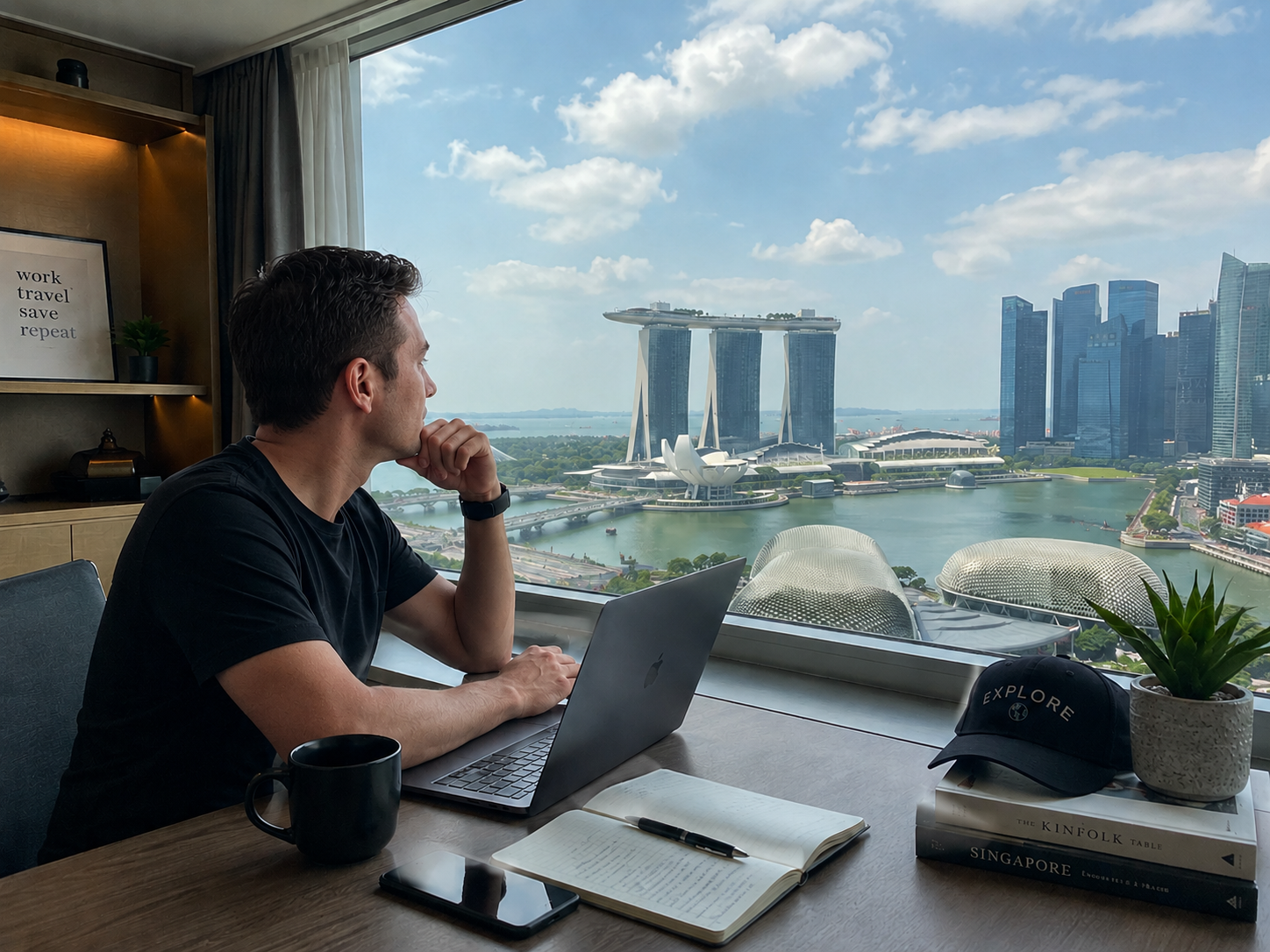
If you have spent months jumping between beach towns with patchy Wi-Fi and cafes where the power cuts out mid-call, getting into Singapore feels like hitting the remote work jackpot. There is an incredible sense of relief in knowing that the trains will run exactly on time, the mobile data will never drop a Zoom meeting, and you can walk home alone at midnight with your laptop bag without a single worry.
Given that it has a reputation as an expensive city with strict visa rules, Singapore is clearly not your typical budget digital nomad destination. If you roll in with a lazy spending plan and try to live out of central boutique hotels or eat every single meal at trendy Western-style cafes, your remote work fund will disappear in a matter of weeks. The secret to surviving and thoroughly enjoying this city as a nomad sits in blending right into the local rhythm.
For a hyper-focused, incredibly productive month of remote work, Singapore hits a sweet spot. It is the perfect place to clear your to-do list, run your errands without friction, and treat your tastebuds to some of the best food in Asia. If you keep your accommodation smart, skip the tourist traps, and “blend” into everyday neighborhood life, you will get a masterclass in clean, practical city living without blowing your bank account.
Start with the visa question
Singapore does not currently offer a digital nomad visa, so remote workers need to be clear about the purpose and length of their stay before making plans. Many passport holders can visit visa-free for 30 to 90 days, depending on nationality. That can suit a short working stay, a business trip or a regional stop between longer bases.
For longer stays, Singapore is selective. The country prefers skilled professionals, founders, senior operators and people with strong earning power. The ONE Pass may suit high-income professionals who want more flexibility. Entrepreneurs can look into EntrePass, while people with a Singapore employer may qualify for an Employment Pass.
The best fit is someone with income, structure and a clear plan. Singapore rewards preparation. Plan properly, and the city becomes much easier to live in.
Why Singapore is so good for getting work done
Working from Singapore is pretty convenient. You can plan meetings around the MRT and get there on time. You can take calls from a library, serviced apartment, quiet café or hotel room without worrying that the connection will collapse halfway through. You can run errands, eat lunch, cross town and return to your laptop without losing the whole afternoon.
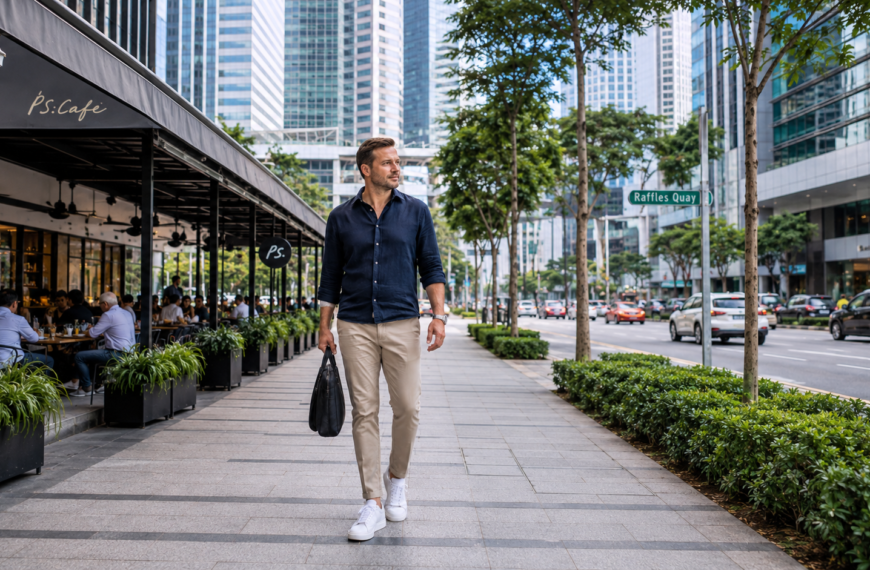
Daily safety also changes the feel of a working stay. Walking home late with a laptop bag does not end up dramatic. Indeed, Singapore holds the reputation as one of the safest city in the world. Public transport stays clean and calm by big-city standards. Basic routines become familiar after a few days: buying food, topping up water, getting mobile data, finding a pharmacy and working out which train exit saves you ten minutes.
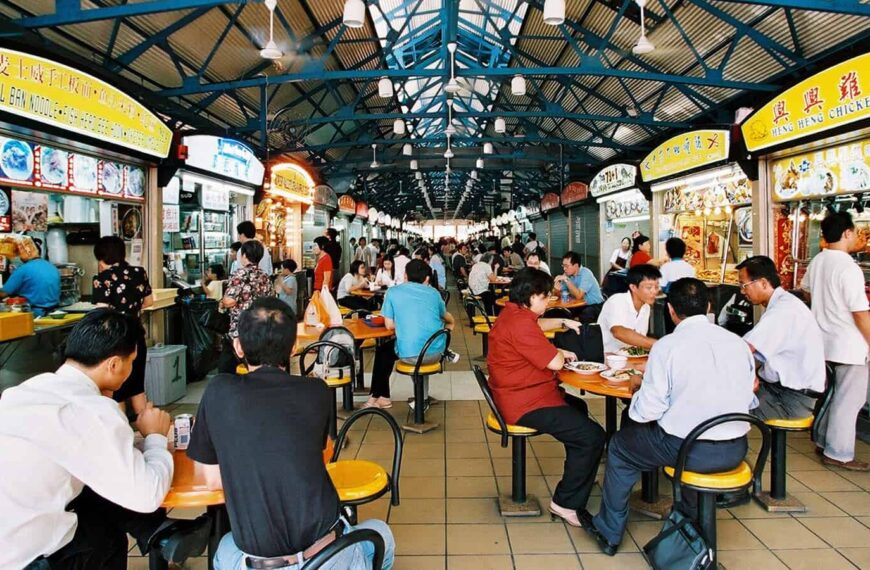
The food helps the month along. Hawker centres keep daily costs sensible and make lunch something to look forward to. One day it is laksa, another day prata, another day chicken rice or kopi with kaya toast. For S$4 to S$8, you can eat properly and still taste the city.
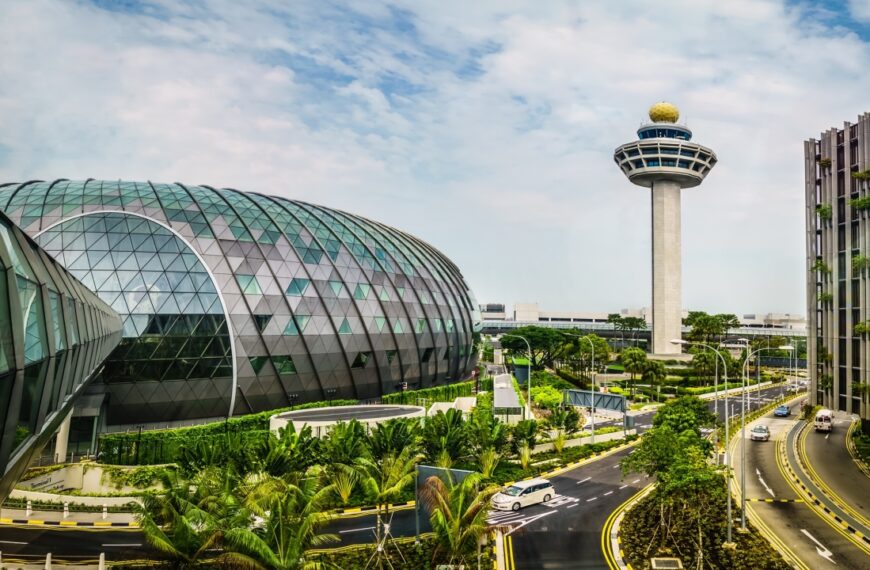
Changi Airport adds another advantage. Kuala Lumpur, Bangkok, Bali, Ho Chi Minh City, Jakarta and Manila are all close by air, and ferries to Bintan or Batam make quick Indonesian breaks possible. Singapore works well as a focused base with simple exits when you want a change of scene.
Accommodation: where to be clever
Accommodation can be a headache. Nightly rates seem hefty when you search only through hotel booking sites, especially in central areas. If you plan to go a budget though, you will get budget, especially if you are planning longer stay. So does a wider neighbourhood search and a direct message asking about long-stay rates.
A room in a shared HDB flat in Bedok, Jurong, Pasir Ris or another outer neighbourhood can start around S$700 to S$1,400 per month. These areas miss most tourist lists, but they have everyday Singapore in plain view: hawker centres, town plazas, supermarkets, buses, MRT stations and cheaper meals.
Coliving spaces around areas like Tiong Bahru cost more, but newcomers often like the convenience. You get a furnished room, clearer billing and sometimes people to talk to after work. For someone travelling alone, that comfort can justify the extra money.
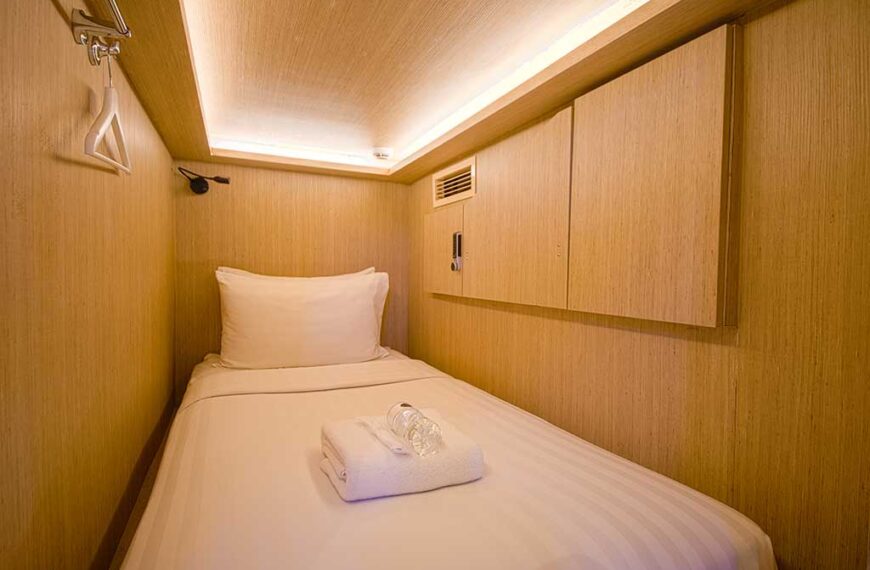
Private hostel rooms deserve a look too. Skip the night-by-night search and contact the hostel about a monthly rate. With shared facilities, something around S$900 to S$1,100 per month is possible, especially outside peak travel periods.
HDB room
S$700+
per month
Hostel private room
S$900+
ask for monthly
Budget hotel
S$1,200+
if negotiated
Coliving room
S$1,400+
often bills included
Eat local and the city opens up
Food is one of the pleasures of basing yourself in Singapore. The mistake is eating every meal in cafés, malls and restaurants. Do that, and the bill climbs quickly. Follow the local rhythm instead: hawker breakfast, kopitiam lunch, supermarket snacks, and a proper sit-down meal when you actually fancy one.
A single remote worker can eat well under S$30 a day. Think kaya toast and kopi in the morning, chicken rice or fishball noodles for lunch, and prata, nasi lemak or economy rice for dinner. It feels less like budgeting and more like learning the city one tray at a time.
For good-value meals, keep these names on your map:
Free comforts that make daily life easier
Singapore has many useful public facilities that cost nothing. You can work in libraries, drink tap water, cool down in malls, get online at public hotspots and enjoy performances, gardens and public spaces without buying a ticket.
Wireless@SGx
Register once with a foreign mobile number and you can access free Wi-Fi at many MRT stations, hawker centres, libraries, community centres and public spaces. It is good enough for email, messaging and light work while moving around.
Drink the tap water
Singapore tap water is safe to drink. Bring a refillable bottle and top up at libraries, community centres, public facilities and some MRT-linked areas instead of buying bottled water daily.
Work from libraries
National Library, library@orchard and library@harbourfront are excellent places to work without paying coworking fees. You get air-conditioning, Wi-Fi, quiet desks and, if you are lucky, power sockets.
Cool down in malls and Changi Airport
Singapore is humid, so free air-conditioning becomes a real travel tool. Malls connected to MRT stations are easy cooling stops. Changi Airport is open around the clock, with Wi-Fi, gardens, seating and space to reset.
Free meals at religious institutions
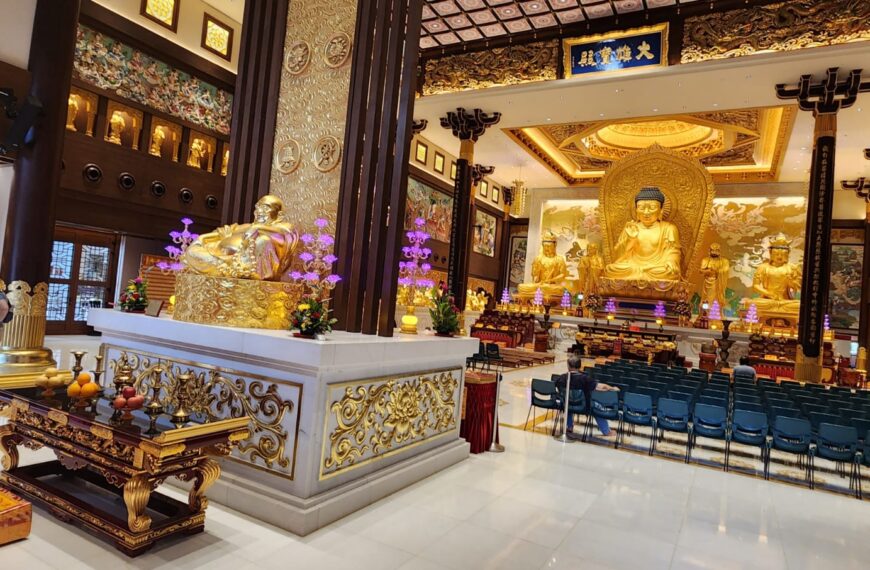
Singapore Buddhist Lodge, Sikh gurdwaras and some temples offer free meals to visitors. These are community traditions rather than tourist gimmicks. Donations are appreciated where appropriate, but not demanded.
Free concerts, gardens and galleries
The Esplanade regularly hosts free performances. The outdoor areas at Gardens by the Bay are free to walk through, and some museums or permanent galleries have free-entry options or free-entry days.
Neighbourhoods with character
Tiong Bahru
Charming, walkable and polished, with heritage flats, cafés, bakeries and indie bookshops. It is a lovely area if your budget allows it.
Katong and Joo Chiat
Colourful shophouses, Peranakan character, strong food and a relaxed east-side mood. Good for remote workers who want texture without living in the busiest parts of town.
Little India and Farrer Park
Lively, colourful and excellent for affordable meals. The streets have energy, the transport links are good, and the food value is hard to beat.
Chinatown and Bugis
Central, connected and full of food options. Prices are higher than outer neighbourhoods, but the convenience is excellent for a short stay.
Bedok, Jurong and Pasir Ris
Everyday Singapore in full view: town centres, hawker food, supermarkets, buses, MRT stations and lower rents. Good choices for longer stays on a tighter budget.
Geylang
Food lovers should not dismiss it. Geylang has excellent local meals, negotiable budget hotels and decent MRT access. It is practical, lively and far more interesting than a generic hotel strip.
A realistic monthly budget
Singapore becomes more manageable when you build your month around local habits. Stay outside the most expensive central pockets, eat mostly at hawker centres and kopitiams, use the MRT and buses, and work from libraries when you do not need a formal desk. A careful remote worker can aim for roughly S$2,000 to S$3,000 per month.
Accommodation
S$900 to S$1,400 for a shared flat room, hostel private room or negotiated budget hotel. Outer neighbourhoods usually offer better value than central areas.
Food
S$300 to S$500 per month if you eat mostly at hawker centres and kopitiams. Add more if cafés become your second office.
Transport
S$80 to S$130 per month should cover plenty of MRT and bus travel. The public transport network is strong enough that taxis can stay occasional.
Workspace and internet
S$0 if you rely on libraries and Wireless@SGx. Coworking spaces start around S$200 per month if you want a dedicated desk.
Pack for heat, rain and icy air-conditioning
Singapore stays around 25°C to 32°C all year, with humidity that makes walking feel more tiring than the distance suggests. Bring lightweight clothes, comfortable footwear, a compact umbrella and a thin layer for indoor air-conditioning. You may sweat outdoors and feel cold in a library, mall or MRT train ten minutes later. That is normal Singapore life.
Singapore as a regional base
Singapore is at its best when you treat it as a productive base. Spend a few weeks here to work properly, meet people, eat well, sort errands, and then hop to somewhere cheaper or quieter when you want a reset.
The city supports that pattern. Healthcare standards are high, gyms and parks are everywhere, the airport is excellent, and Southeast Asia sits close by. You can be in Malaysia, Thailand, Indonesia or Vietnam quickly, often at reasonable fares if you book early.
For the right remote worker, Singapore gives the month a useful shape: steady routines, strong transport, proper food, reliable workdays and regional trips within reach. Keep accommodation sensible, eat local, and the city becomes far more enjoyable than its price tags first suggest.
Planning your trip to Singapore?
Before you travel, make sure you have the practical side sorted. Our Singapore Travel Guide covers the things that actually matter on the ground:
- Passport validity, visa requirements, and the SG Arrival Card
- What you can and cannot bring into Singapore
- Singapore laws worth knowing before you arrive
- Payment methods, transport, and getting around
- Food, weather, what to pack, and useful apps
- Healthcare, safety contacts, and what to do in an emergency