

It’s easy to travel within Changi Airport after touching down. But how you choose to leave Changi will most definitely set the tone for your whole trip. If you jump into the first premium ride you see, you are chipping away at your spending money before you even get a chance to settle into the city. Making a sensible choice right at the terminal means you start saving before you even open your hotel room door.
Personally, I wouldn’t head straight for the taxi stands unless you are managing heavy suitcases, travelling with small children, landing in the middle of the night, or trying to reach a hotel that is far from public transit. Singapore makes it incredibly straightforward to find affordable options the minute you clear customs. The local MRT train costs very little, the public buses offer a great look at the city on your way in, and ride-hailing apps work well when you want direct comfort without a massive markup.
The goal is simply matching your ride to your situation. Someone travelling solo with a single backpack does not need the same setup as a group arriving after a twelve-hour flight. Knowing where your hotel sits in relation to the nearest train stop changes the math completely. Figure this part out early, and your first day on the ground will run much smoother.
MRT: the most practical choice for most trips
The MRT is the option that makes the most sense for anyone keeping an eye on transport costs. It usually costs between SGD 2 and 3 to reach central areas, skips any highway traffic, and works well when you are travelling alone or with a partner. The trains are clean, frequent, and easy to use once you make the brief cross-platform swap at Tanah Merah station.
The airport MRT station sits directly between Terminals 2 and 3. If you land at Terminal 1 or Terminal 4, you can use the free sky trains or shuttle buses to get across. From Changi Airport station, you take the train a couple of stops to Tanah Merah, then hop across the platform to the city-bound line. It is a very standard routine that gets you on your way quickly.
Best for
Solo travellers, couples, people with light luggage, and anyone staying within walking distance of an MRT station.
Typical cost
Around SGD 2 to 3 per person to reach central neighborhoods.
Typical time
Roughly 30 to 50 minutes, depending on your final stop.
Public buses: direct, affordable, and local
Taking a public bus costs roughly SGD 2 to 4 and gives you a good look at the city streets right from the start. It takes longer than the train, but if you are not in a rush, it is a very calm way to travel. You can get a window seat, look at the changing neighborhoods, and get familiar with the city layout at a sensible pace.
Bus 36 is the route most visitors use, running through Marine Parade before heading towards Suntec City, Dhoby Ghaut, and Orchard Road. The ride generally takes between 45 and 70 minutes, depending on the time of day and the traffic along the East Coast Parkway.
Best for
Travellers who prefer a direct seat and do not mind a longer, more scenic journey into town.
Useful routes
Buses 36, 24, 27, 34, and 53 connect the airport to various residential hubs and central districts.
Payment
The system uses the same contactless bank card or transport card as the train network.
Connecting buses: helpful for budget stays
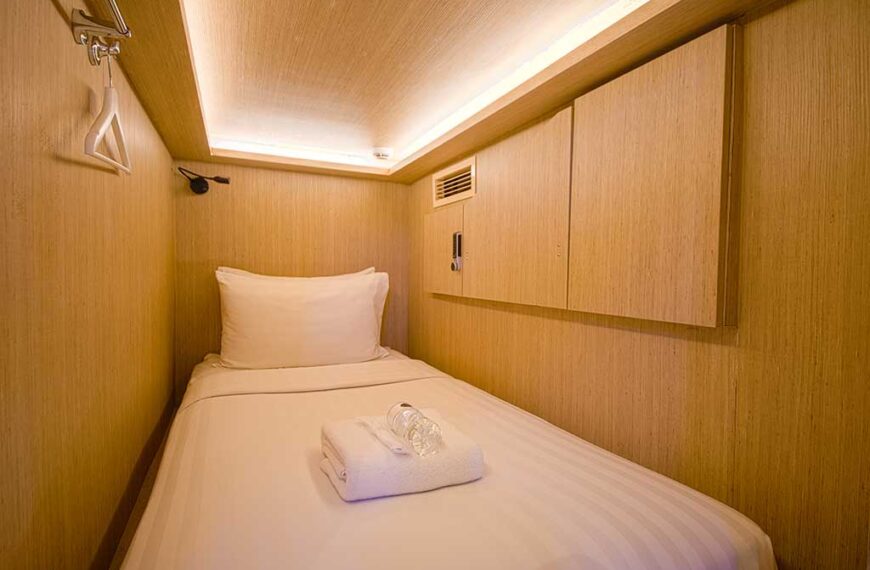
Using a local connection can save you a long walk. Singapore has plenty of excellent hostels and budget guesthouses that are just far enough from an MRT station to feel like a trek when you are pulling a suitcase.
A smart alternative is taking a bus from Changi to an interchange like Bedok or a neighborhood hub like Marine Parade, then moving to a local service that stops closer to your accommodation. The combined fare stays low, you save your energy, and you avoid an awkward walk along the main roads.
Ride-hailing and taxis: paying for convenience
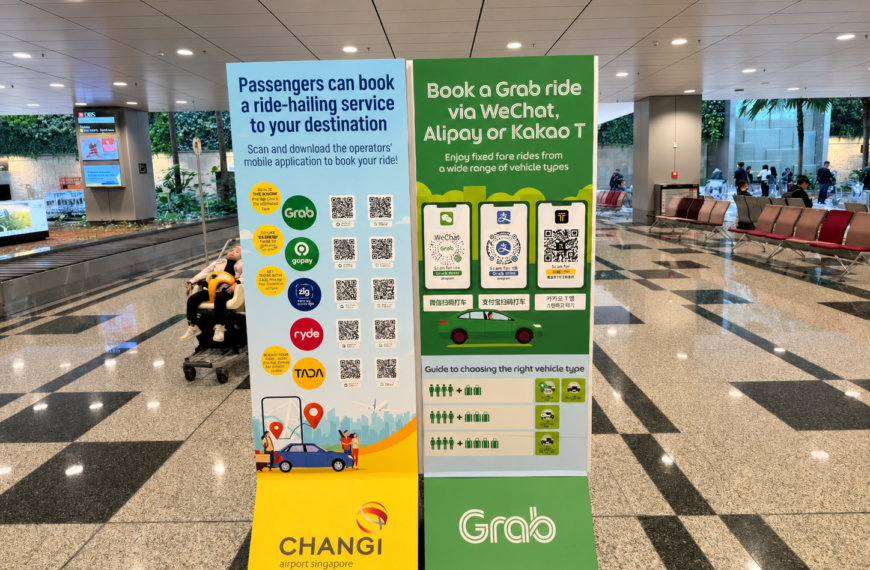
Using apps like Grab, Gojek, or TADA makes sense if you have multiple bags, young family members, or a hotel located away from the transit lines. A direct car from the airport to the city centre usually runs between SGD 25 and 45. Prices shift during peak hours when demand across the island goes up.
Regular metered taxis are available at the designated stands across all terminals. A trip into town typically ranges from SGD 30 to 55 depending on airport surcharges, peak-hour tolls, or midnight fees. If you can share the cost with two or three people, it is a fair deal. If you are travelling alone during the day with minimal luggage, you are choosing comfort over savings, which works perfectly fine as long as that fits your plans.
Best for
Families, small groups, late-night arrivals, large luggage, and direct point-to-point travel.
Typical cost
Roughly SGD 25 to 45 for app rides; SGD 30 to 55+ for standard airport taxis.
Typical time
Around 20 to 40 minutes to most central locations via the highway.
Quick comparison: Changi Airport to city centre or Orchard
SGD 2 – 3
SGD 2 – 4
SGD 2 – 4
SGD 25 – 45
SGD 30 – 55+
A simple summary for your arrival
- Stick to the MRT if you are on your own or travelling light with a partner.
- Take Bus 36 if you want a reliable seat heading straight down the east coast toward Suntec or Orchard.
- Look into a local bus transfer if your hostel sits in a residential pocket away from a main train line.
- Book a ride-hailing car or a taxi if you land late, have heavy bags, or are travelling with kids.
- Choose a car option if you arrive after midnight, as public transport options pause until early morning.
If saving money is your main priority, the train is hard to beat. It keeps your costs down, avoids highway delays, and connects directly to the wider transit network. The public bus works just as well when the stops line up with your accommodation. Taxis and ride-hailing apps are there when you need to prioritize ease over economy.
Plan your full Singapore travel budget before you arrive
Getting from the airport is just the first step. Once you have your accommodation sorted, use our Travel Budget Calculator to look at your overall trip expenses. You can plan for your hotel stays, daily meals, transport costs, and entry tickets based on your itinerary across the city.
- Map out your expected trip expenses before finalizing your bookings
- Plan your daily train, bus, and ride-hailing costs
- Look at transport costs based on the neighborhoods you plan to visit
- Compare spending across accommodation, food, and sightseeing options